
Rethinking old systems
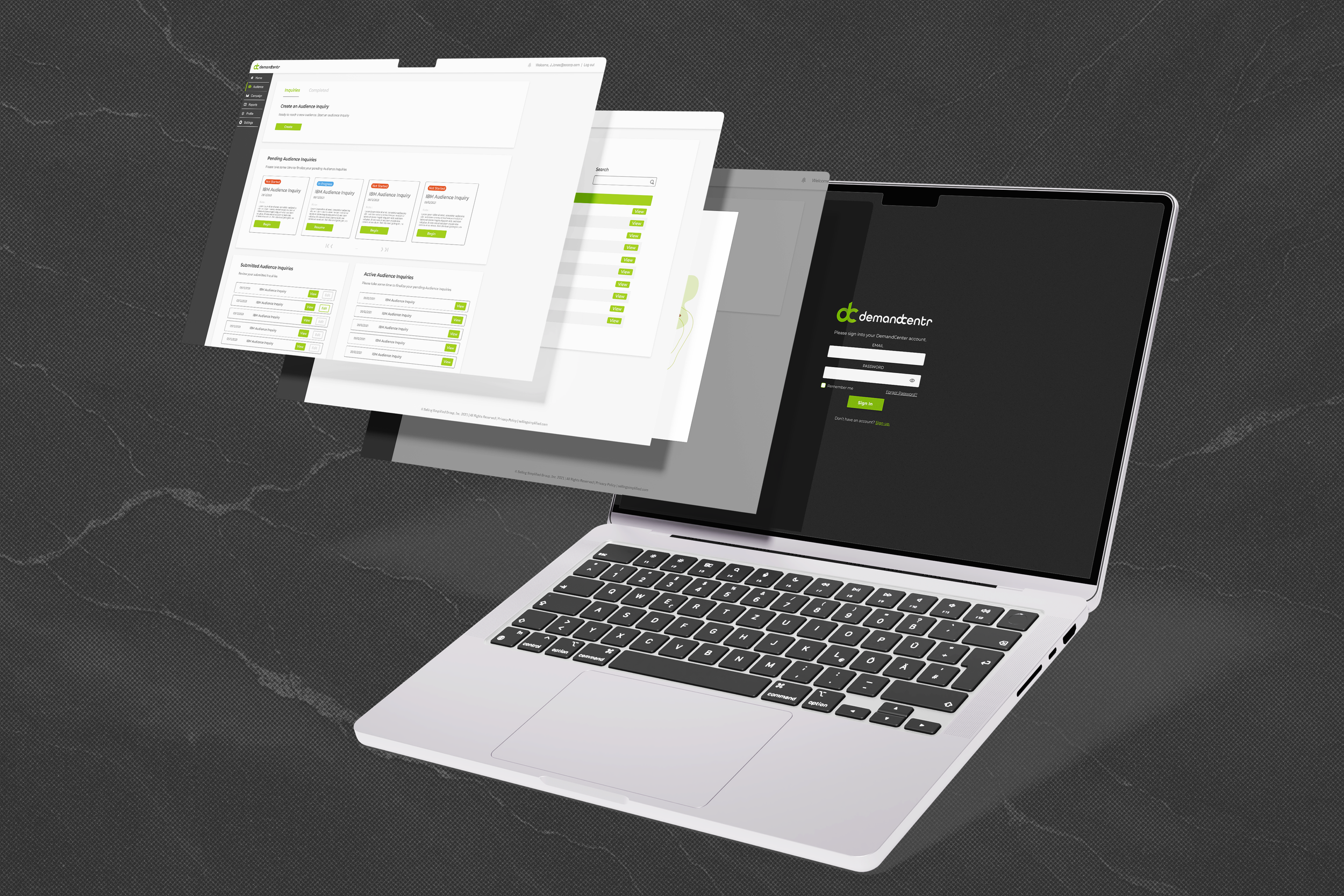
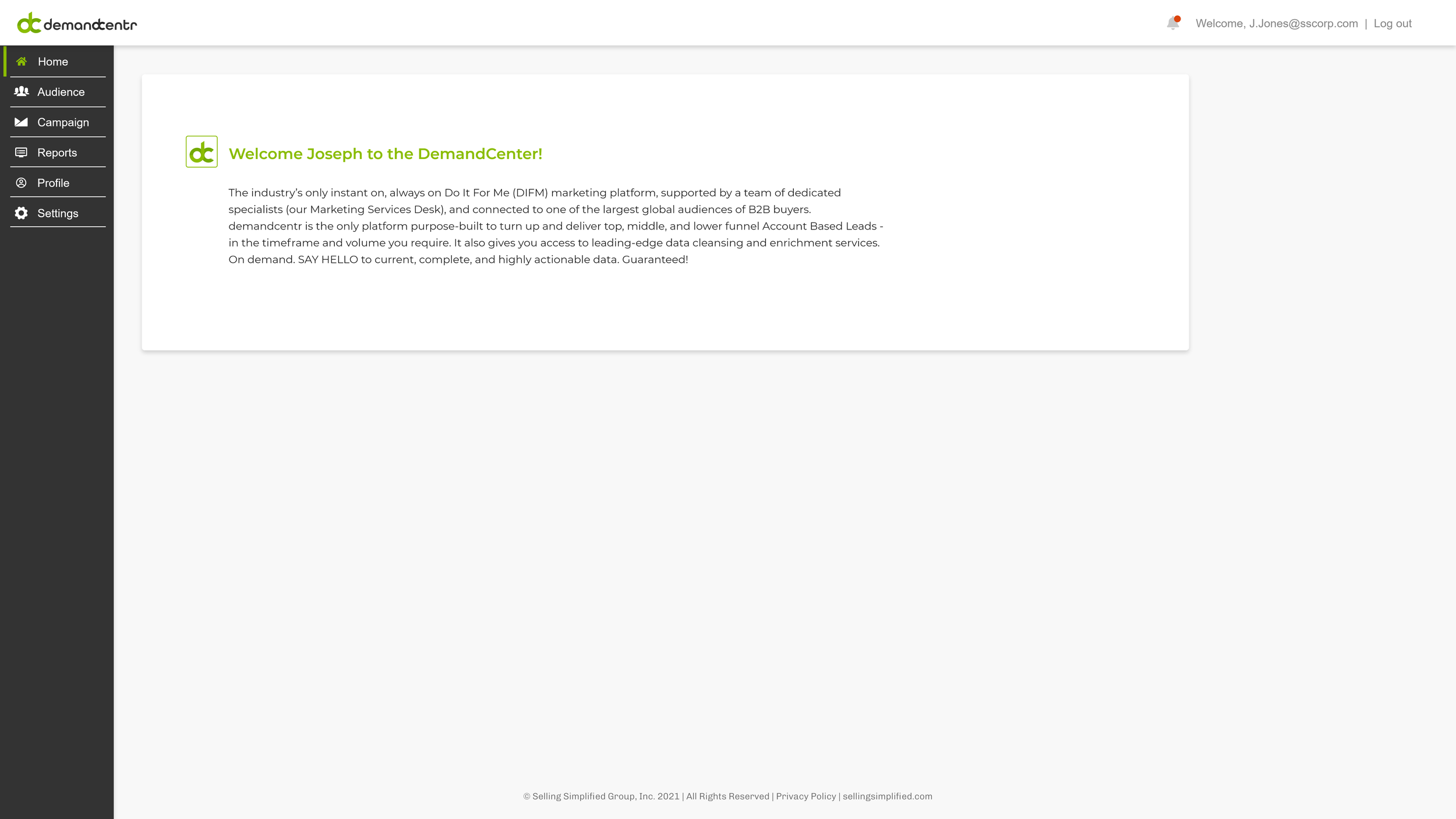
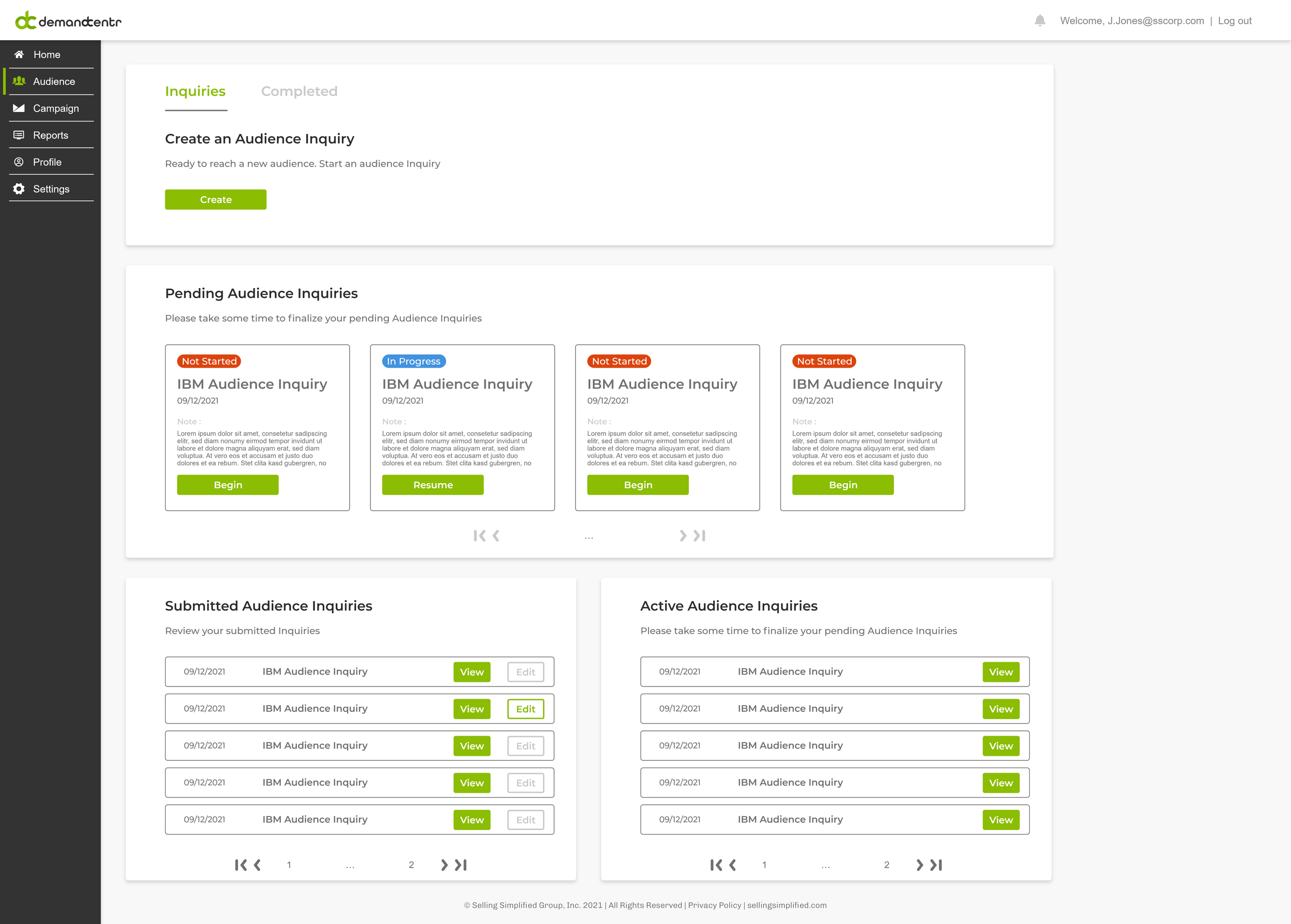
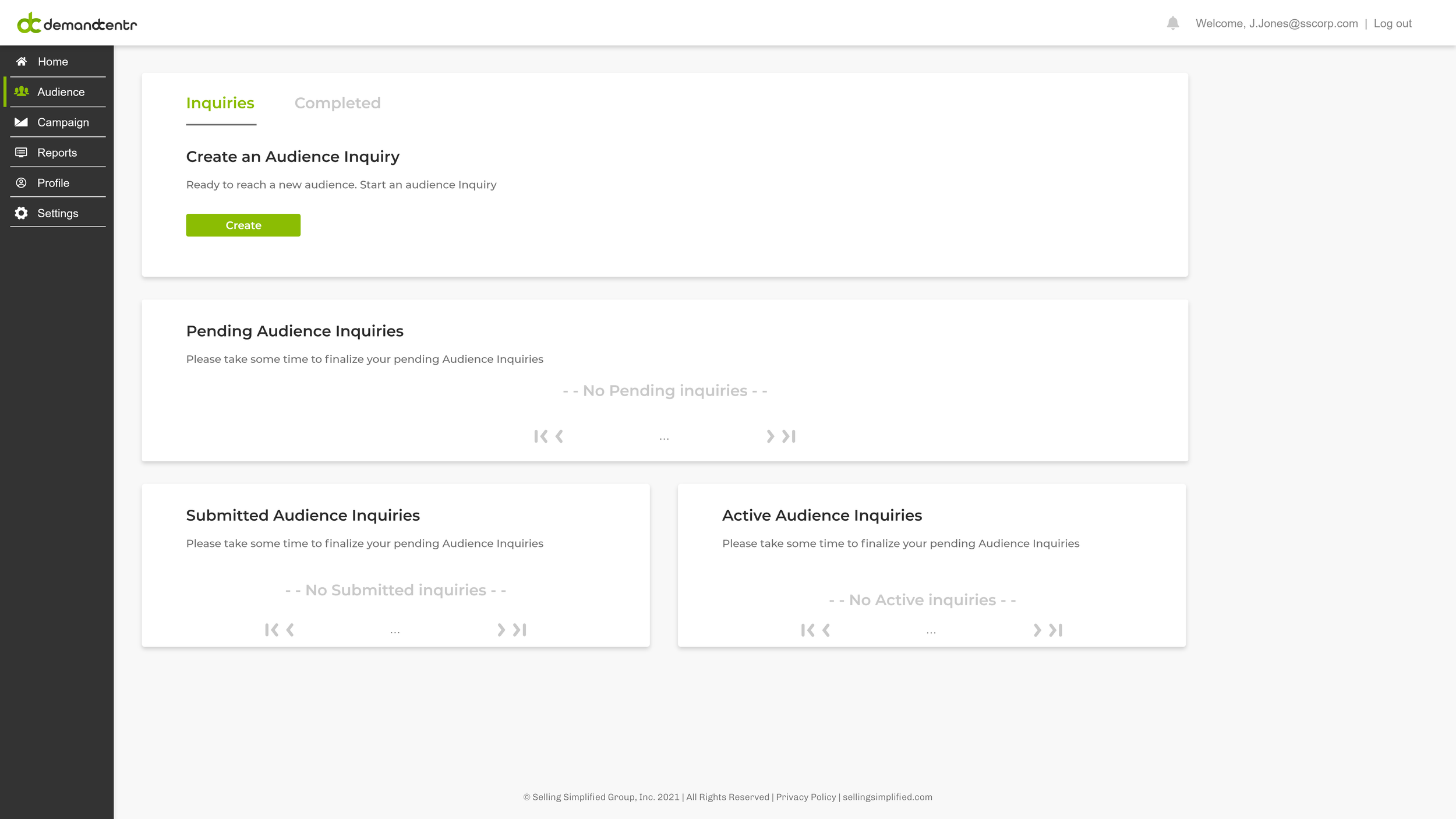
DemandCentr originated as an internal tool created to manage and track marketing assets. It supported lead creation, sales tracking, with lead growth and data analysis functionality specifically tailored to lead generation marketing teams. The project’s objective was to redesign the system to improve usability and create an intuitive experience for existing users while also exploring its potential as a client facing platform. That effort ultimately culminated in the development of Selling Simplified’s External ECM platform.
My Role
Design Process
As a UI/UX Designer for SellingSimplified, I led the end-to-end redesign of the DemandCentr platform. My responsibilities included developing a comprehensive design system to unify visual and interaction patterns across the product. As well as reworking and redesigning key workflows to create a more intuitive, efficient experience for both new and returning users. I collaborated closely with product managers and engineers to ensure consistency, accessibility, and scalable implementation across all touchpoints.
During the DemandCentr redesign I conducted a structured discovery phase that included user interviews, contextual observations, and a comprehensive audit of the existing platform. I documented user needs, pain points, and areas of satisfaction to establish a clear picture of what currently works and what does not. In parallel, I performed an end-to-end evaluation of the system to identify usability gaps, workflow inefficiencies, and opportunities for feature consolidation and enhancement. These insights directly informed the design strategy and guided the creation of a modular design system to serve as the foundation for the redesign, ensuring consistent UI patterns, scalable components, and improved usability across the product.
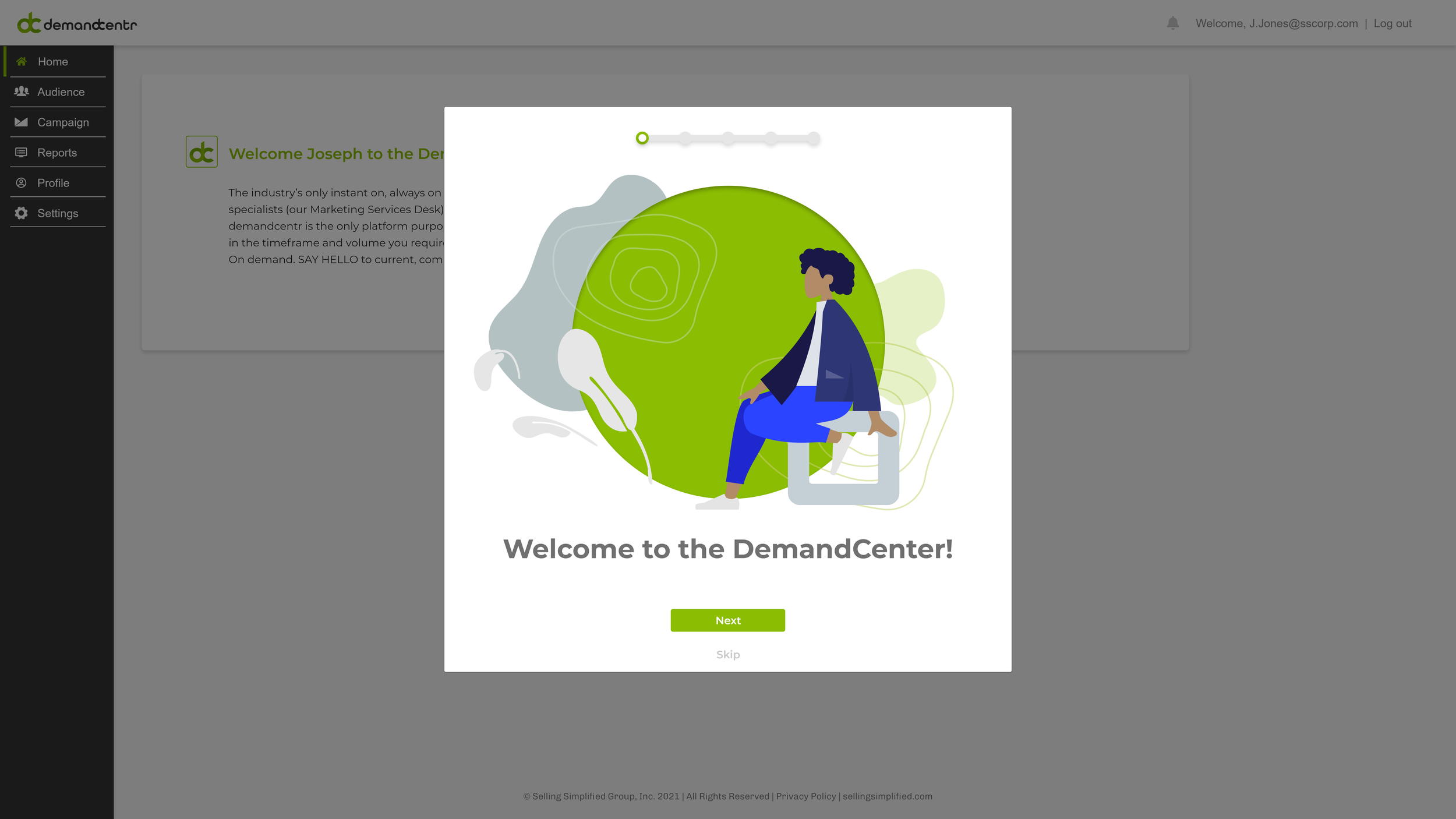
Design a progressive onboarding checklist or tour that adapts to user proficiency and can be skipped or revisited.
Implement tooltips tied to specific actions and pain points uncovered during review.
Audit the current navigation systems and map all entry points, labels, and paths to identify overlaps and dead-ends.
Develop a single, consistent navigation model (site map, IA, and interaction patterns) that supports common user goals and scales with product growth.
Prototype and test simplified navigation patterns with representative users to validate discoverability and efficiency.
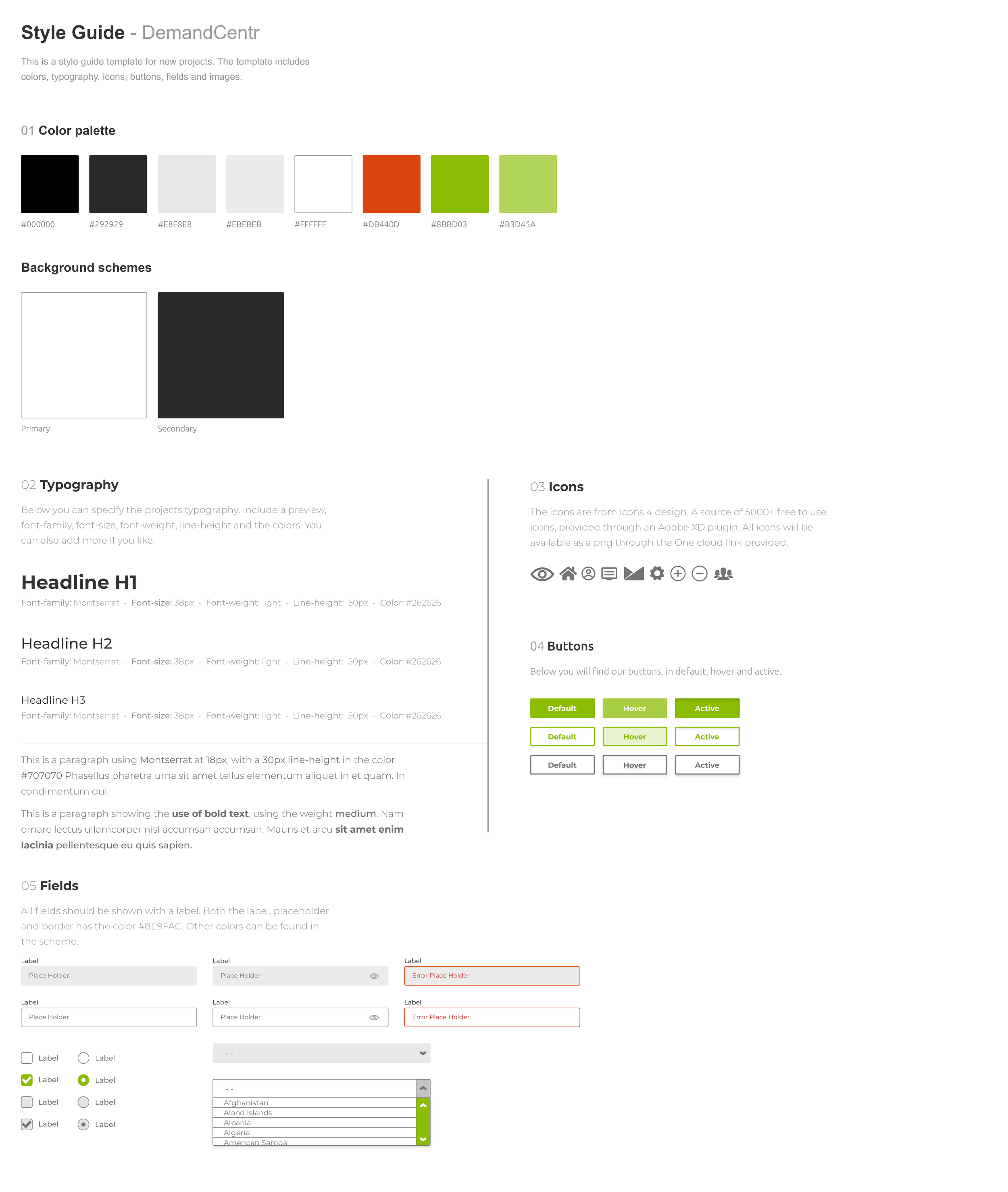
Create a unified design system (visual styles, components, interaction guidelines, accessibility rules) to standardize UI and interaction across the product.
Refactor existing UI components to align with the design system and replace inconsistent elements.
Conduct cross-platform audits to ensure visual and interaction consistency across web and mobile (or other platforms).
Establish governance and workflows for maintaining design consistency (component library ownership, review process, and versioning).
Run usability testing sessions focusing on onboarding, navigation, and consistency improvements; iterate based on findings.
Train product and engineering teams on the new design system and navigation standards to ensure correct implementation.
Old Design
New Design